


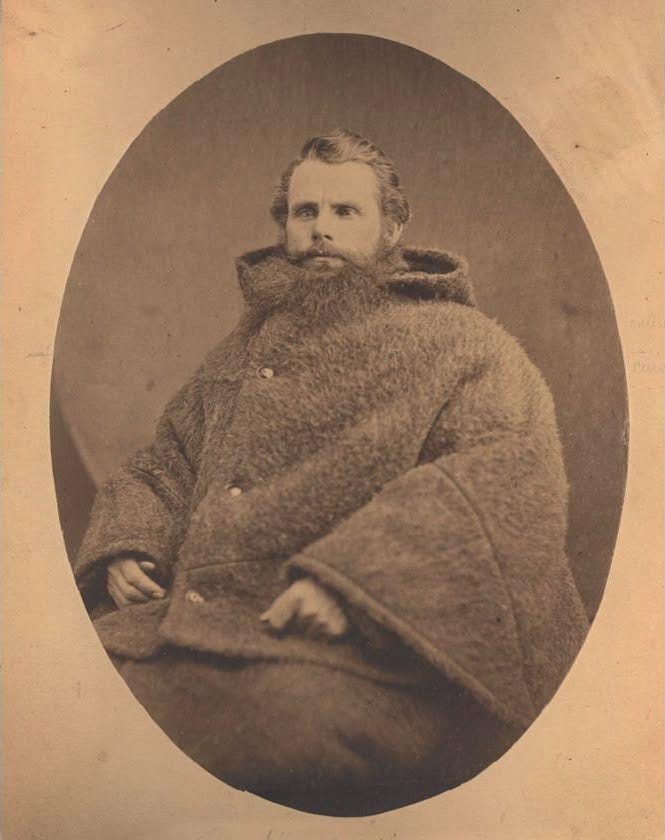
On February 7, 1875, Alexander McDonald formed the first Baptist church in Western Canada (Winnipeg) with seven members. At the service that organized the church, they read the New Hampshire Confession of Faith and celebrated Holy Communion.
By 1880, there were four churches in this region. They associated together as the Red River Association. In 1882, they formed a larger convention, the Baptist Convention of Manitoba and the North-West, which adopted its constitution in 1884. As its constitution shows, they unified around a Compendium of Doctrine common to most Ontario Associations, rooted in the Second London Baptist Confession (1689) as adopted by the Philadelphia Association (1724/42).
Actually, the form can be traced a bit earlier to the Midland Association (which had framed its own Sixteen Articles in 1655), because this association began around 1752 to use a similar compendium that one can trace through various associations in England and America and then into Canada in 1844. By 1884, it was present in the West through this means.
In any case, the Baptist Convention of Manitoba and the North-West adopted this historic statement of faith. This convention included Alberta and Saskatchewan (North-West) but not yet British Columbia. That would happen in 1907 when the BCMNW united with the Convention of Baptist Churches of British Columbia.
This Convention was called the Baptist Convention of Western Canada. Two years later, it was renamed the Baptist Union of Western Canada (1909). Then in 2007, it became the Canadian Baptists of Western Canada.
While the constitution did not include the Compendia noted above, confessions remained present in local churches, most commonly the New Hampshire Confession. The BUWC would, however, use various statements to identify itself, such as Ten Principles in 1962, the EFC statement of faith (1986), the Carey Statement of Faith (1982, adopted as the CBWC Statement of Faith in 2007), and then the 2022 Identity Statement.